
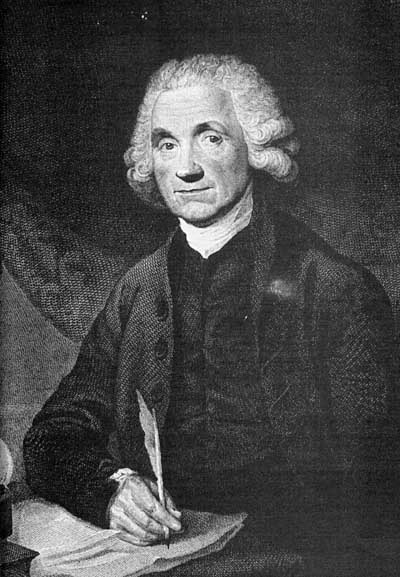
Nitrous oxide ("laughing gas") was first synthesized by English chemist and natural philosopher Joseph Priestley. Priestley describes the preparation of "nitrous air diminished" by heating iron filings dampened with nitric acid in Experiments and Observations on Different Kinds of Air. 3 vols. London, (1775). Priestley was delighted with his discovery: "I have now discovered an air five or six times as good as common air... nothing I ever did has surprised me more, or is more satisfactory." But unlike Humphry Davy, Priestley didn't try inhaling gas to explore its psychoactive effects.Priestley further isolated and described the properties of carbon dioxide, hydrochloric acid, carbon monoxide, sulfur dioxide and "dephlogisticated air". He corresponded with Antoine Lavoisier, who debunked phlogiston theory and re-named "dephlogisticated air" as oxygen. Priestley identified the gases involved in plant respiration, and observed photosynthesis. He also discovered that graphite is a conductor of electricity; and invented a very drinkable beverage of carbonated water, i.e. soda pop.
In the 18th century, doctors had very little idea of what caused disease. Its symptoms could sometimes be palliated, but cures were rare. So doctors and other assorted medical men eagerly experimented with the new gases and the vapours of volatile liquids to discover if they conferred any therapeutic benefits, especially for respiratory disease. One of the most prominent investigators was Thomas Beddoes, founder of the Pneumatic Institution (1798).